Bay and Bow Window Treatments in Fortville: What to Know Before You Order
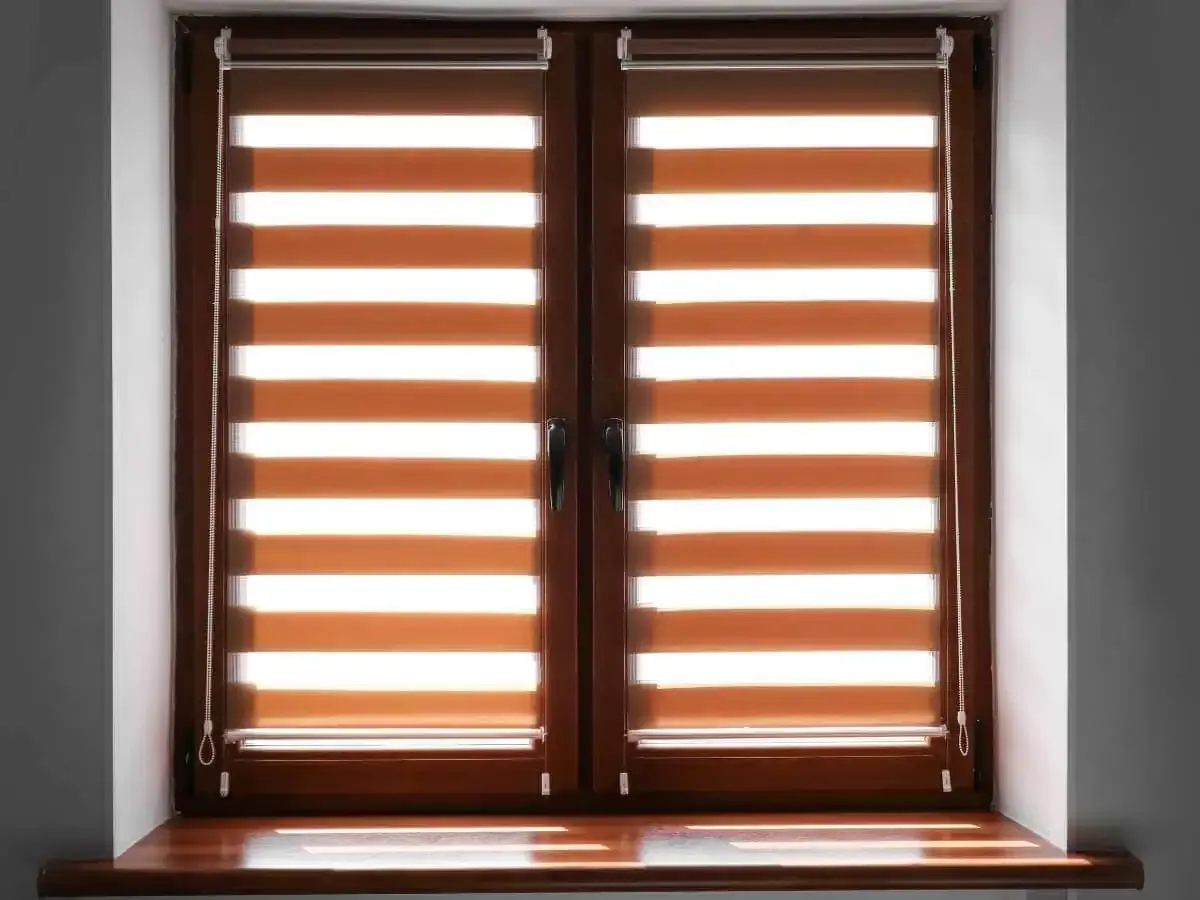
If you've got a bay or bow window and you're not sure where to even start on shades, you're not alone. It's one of the more common questions we field from homeowners across Fortville and IN communities who've never dealt with an angled or curved window before.
Why Bay and Bow Windows Need a Different Approach
A bay window is really three windows pretending to be one, and a bow window curves that idea across four to six panes instead of three. Treat the whole thing like a single wide window and you'll end up with hardware that doesn't fit the angles, or fabric that bunches up right where the units meet.
Most bay windows in Fortville follow a 30 or 45 degree angle on the two side units, with a larger picture window in the center that usually doesn't open. Bow windows spread that same curve across more panes, so the angle between each unit is gentler. Either way, you're not buying one shade, you're buying a small matched set, and every piece has to work with its neighbors, not just the wall it's mounted on.
The other wrinkle is the window seat. Plenty of bay windows have one, and it changes how deep a shade can hang and how the fabric drapes when someone's sitting underneath it. That's not a reason to skip treating a bay window, just a reason to plan the layout before anything gets ordered.
Matching Shade Styles to Each Angle of the Bay
Style choice moves the price on a bay window in Fortville more than almost anything else, since that per-unit difference applies across several windows instead of one. Roller shades tend to sit at the lower end of the cost range and clear tight bay corners easily, which makes them a common pick when the budget needs to stretch across three or more units.
Cellular shades cost a bit more per window but add insulating air pockets that a roller shade doesn't have, which matters on a bay window with more glass surface area exposed to outside temperature swings. Roman shades sit at the higher end of the range and need more corner clearance to avoid colliding at tight angles, so they work better on a gentler bow window than on a sharp-angle bay.
A practical budget move is choosing one style for the whole bay rather than mixing a premium fabric on the center window with a cheaper one on the sides. Matched, mid-grade fabric across all the units usually looks more finished than a mismatched combination of a fancy center piece and bargain side units.
Choosing How to Operate Multiple Shades at Once
This is the decision that changes daily life with a bay window in Fortville more than any fabric choice does. Manual cord or wand control works fine on a single flat window, but on a bay, reaching three separate pulls, often across a window seat or a piece of furniture, gets old within the first few weeks.
Motorized control solves the reach problem and lets you decide how the units relate to each other. Group all the units in the bay to one remote button so the whole thing opens and closes together, or keep them independent so the side facing the afternoon sun can come down without darkening the rest of the room. Most systems let you set a schedule too, so the shades can close automatically in the evening even if nobody presses a button.
Cordless manual lift is the lower-cost alternative when full motorization isn't in the budget. It removes the loose cord, which matters most right around a window seat where kids or pets spend time, even without going the motorized route.
What Bay and Bow Window Shades Typically Cost
The budgeting mistake we see most is pricing a bay window treatment like one large window instead of pricing each unit on its own. As a general national range, not a specific quote, a mid-grade cellular or roller shade typically runs $150 to $400 per window, and a bay or bow window simply has more windows than a standard opening, so cost adds up unit by unit rather than averaging down.
Skipping that math ahead of time, and assuming a three-window bay should land near the price of one large window, is how people end up surprised by a quote that was actually reasonable for what it included.
The other cost mistake is assuming motorization has to go on every unit or none at all. Motorizing just the hardest-to-reach unit, often the one behind a window seat, and leaving the other two on a simple cordless lift is a common middle ground that keeps the budget in check. A free in-home measure will tell you exactly where your numbers land instead of guessing from a general range.
A real number for your bay or bow window beats a general range every time, and the only way to get one is to have someone measure the actual angles and depth involved, glass and all. A free in-home measure covers exactly that, with no obligation attached. Call (317) 999-5154 whenever you're ready to get one on the calendar.
Getting an Accurate Measurement on a Multi-Angle Window
Good design starts with good numbers, and a bay window will punish you for skipping this step. Measure each opening on its own. Homes built decades ago in Fortville rarely have three window openings that are perfectly identical, even when the trim was installed at the same time. Settling and hand-framing add up to real differences over the years.
Take width measurements at more than one height in each opening, and take height measurements on both the left and right side of the frame. If a shade needs to fit flush for the design to read correctly, use the smallest number you find so nothing binds or gaps once it's mounted.
Depth is a design constraint too, not just a fit constraint. A deep inside-mount cellular shade can sit almost flush with the wall, while a shallow roller cassette might project further into the room. On a bay window, where sightlines matter from several angles, that difference is more visible than it would be on a flat single window.
Frequently Asked Questions
Why did my bay window shades collide at the corner?
That usually happens with a bulkier style like roman shades, which stack into several inches of folded fabric at the headrail. In a tight-angle corner, two of those can bump into each other before either one is fully lowered. Roller and cellular shades sit flatter and generally clear the corner without that problem.
Do I need to measure each window in my bay separately?
Yes, even if the openings look identical from a distance. Homes settle unevenly over time, and it's common to find a quarter-inch to half-inch difference between two side units that were originally framed to match.
What does a bay window treatment typically cost?
Since a bay or bow window is really several shades bought and installed together, cost is priced per unit rather than as one wide window. As a general national range, a mid-grade shade often runs $150 to $400 per window, and that per-window range applies to each unit in your bay.
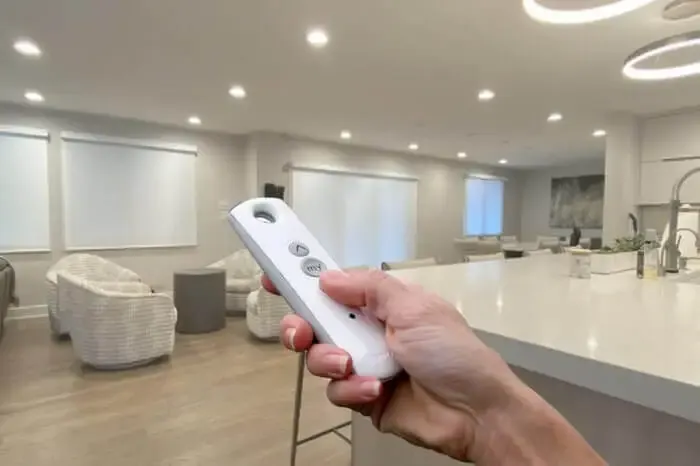 Battery or Hardwired: Powering Smart Shades in Fortville
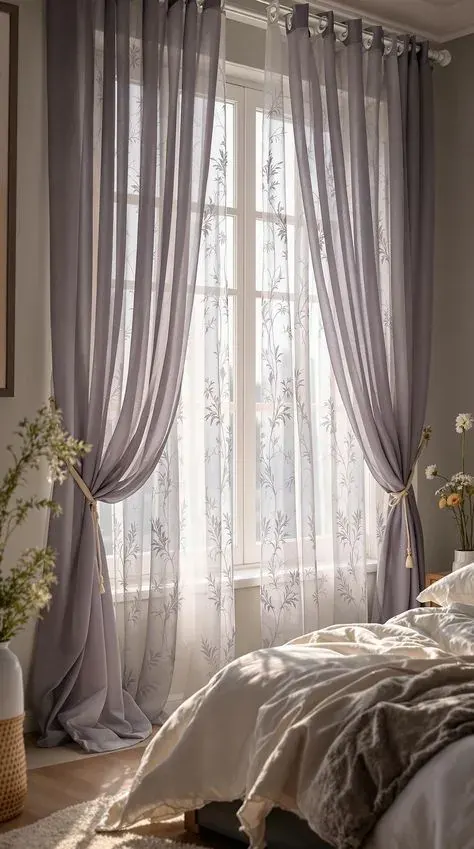 How Custom Drapery Gets Measured and Made Right in Fortville
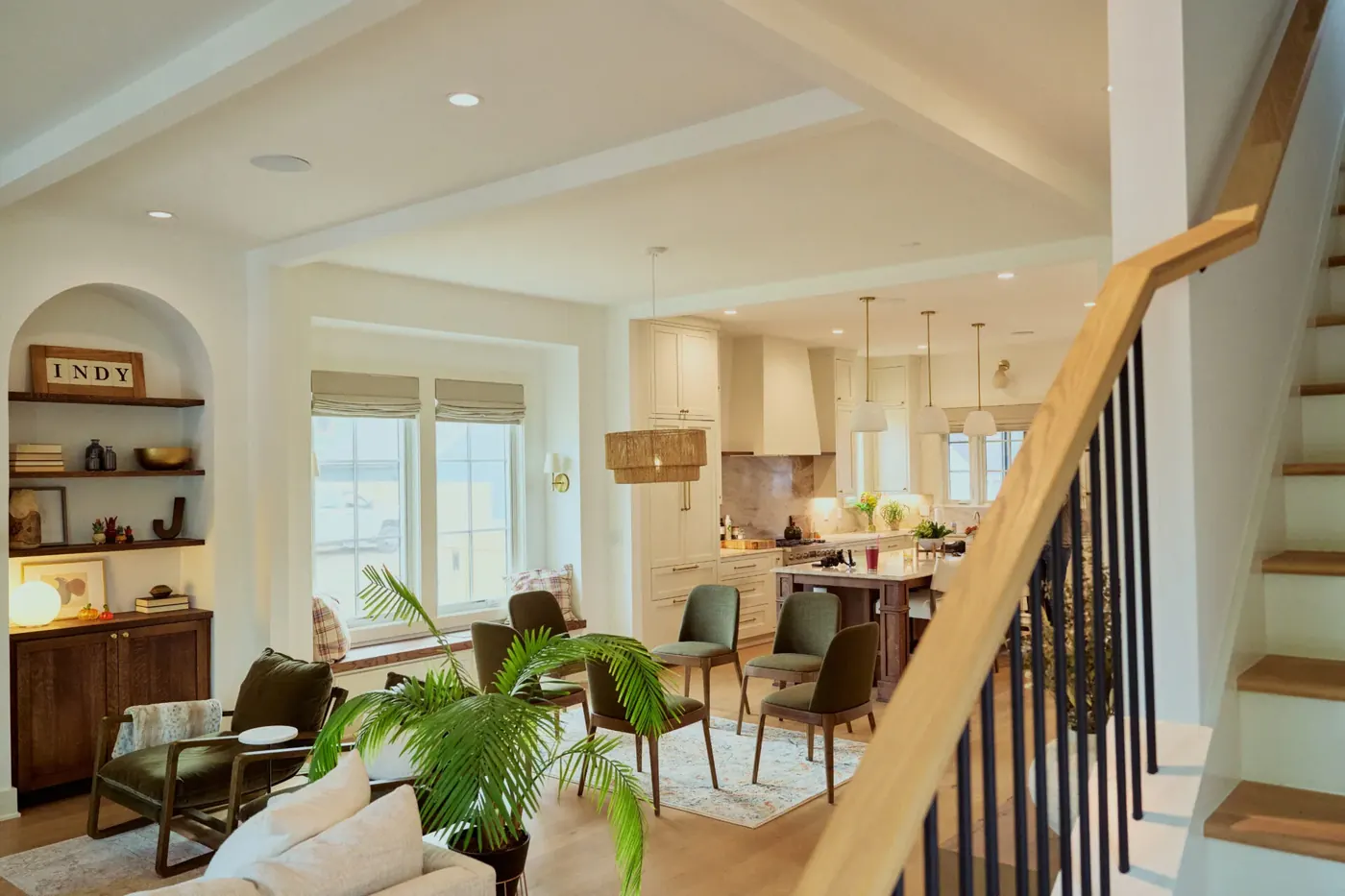 What a Proper Measure Catches Before You Buy in Fortville