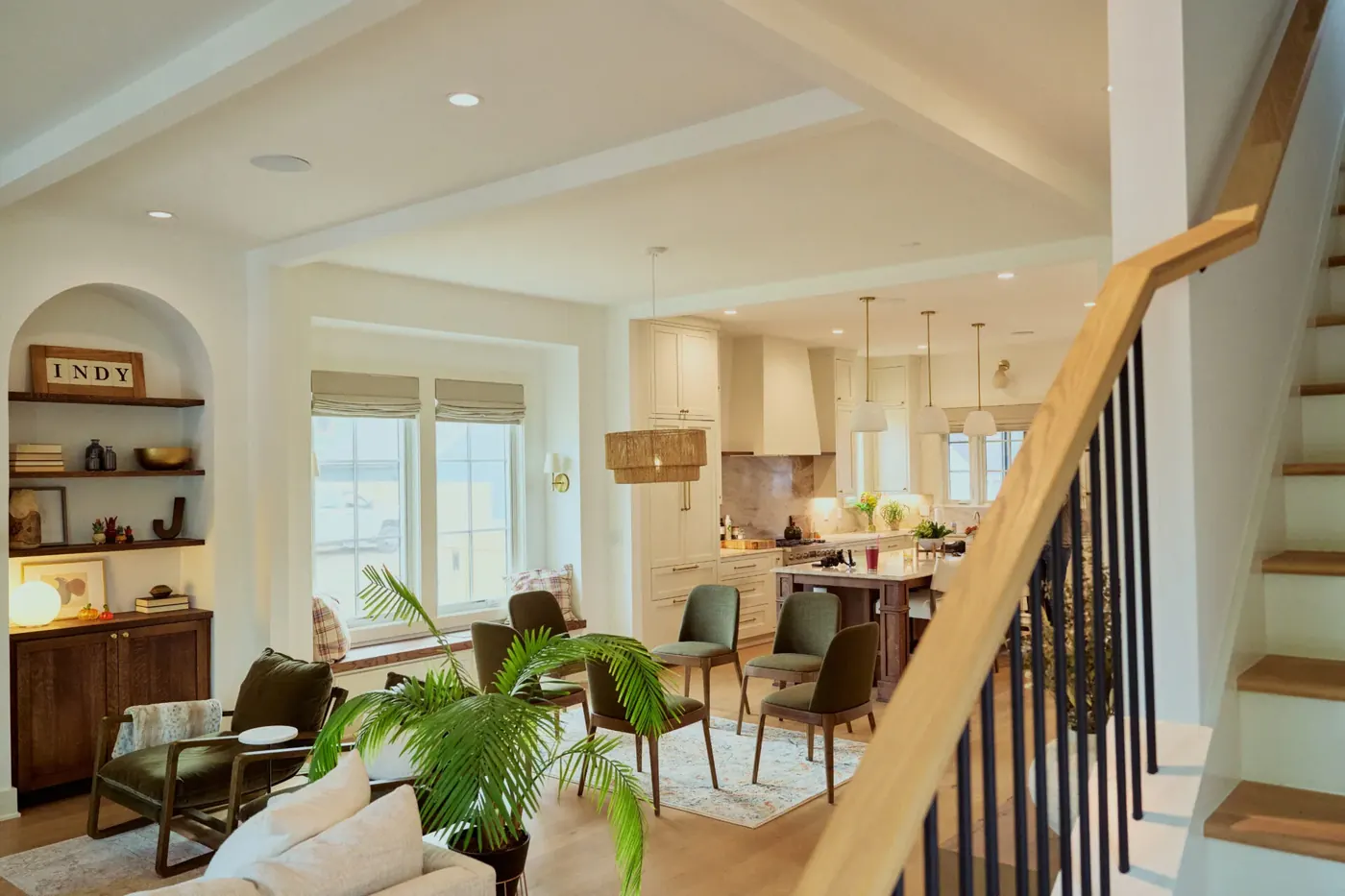
Custom Blinds and Shades in Fortville, Indiana
Blinds, shades, shutters and drapery measured in your Fortville home. Older openings settle and rarely measure square, so we take three measurements per opening and tell you what that means for the fit.
If we're busy with another customer and miss your call, leave a message and we'll call you back.
Here's what Fortville homeowners ask most, along with the answers we'd give standing in your living room. Nothing here is a sales pitch, and several of the answers point at the cheaper option.
- Services: faux wood blinds, wood blinds, vertical blinds, aluminum mini blinds
- Service area: Fortville, Hancock County, IN and surrounding areas For anything already installed, service visits are quick because we're working with parts. For new custom orders, expect a measure, then a few weeks of fabrication, then an install appointment we book once the product has been inspected.
- Insured and bonded
- Serving Fortville, IN since 2008
Schedule Your Free In-Home Measure
The in home measure is free and it's most of the job. Width at head, center and sill, height at left, center and right, then a square check on each opening, because with 288 pre-1940 houses in town out of square is the base case, not the surprise. We measure mounting depth at the real stop, past any storm window build up. On the south side, where Orchard Drive and Spencer Boulevard hold several eras on the same street, casing type gets established house by house, not assumed. You keep the numbers whether or not you order.
I agree to be contacted by Fortville Window Treatments regarding my inquiry.
Fortville is 4.11 square miles of housing that refuses to average out, and that's the whole story of a window covering order here. The ACS counts 1,935 units: 288 built before 1940, 649 between 1940 and 1979, and only 105 since 2020. That puts 48.4 percent of the town in front of 1980, against 13.5 percent in McCordsville. Real wood jambs with applied casing are the norm across nearly half of Fortville. Storm window build ups quietly remove inside mount depth on the Church Street and Staat Street houses. Shallow jambs on the 1950s stock are a routine constraint rather than an exception. Then you drive north to Mt. Vernon North, where every opening is a bare drywall return and factory square. We measure the house in front of us.
Installation is where the measure gets tested. Brackets have to land on solid material, not on a shim or a hollow. Center supports go in on wide runs so a long roller tube doesn't deflect. Levels get used on the headrail, not just eyeballed off the trim, because trim in older Fortville houses often isn't level itself. Getting the headrail true and the hembar parallel to the sill are two different problems.
People sometimes ask why we bother with an in-home visit for two windows. It's because mounting depth, square and obstruction are things you can only confirm at the opening, and because the two window job in Fortville is often the one where an inch of trim decides whether an inside mount is even possible. Ten minutes on site beats a reorder every time.
Built in the Last Few Years?
Many of our Fortville customers moved into a house built by one of these companies. Builder blinds are usually stock sizes trimmed to fit, so if yours came with the house and never ran right, that is why. We measure the openings as built rather than off the plan.
Named for identification only. Fortville Window Treatments is an independent company and is not affiliated with, endorsed by, or acting as a representative of any homebuilder listed.
What Matters at the Window in Fortville
What our crew has learned working in Fortville homes.
About Fortville Homes
Fortville's median house dates to 1982. Build era shares on the parcel record run pre-1940 14.9%, 1940-1979 33.5%, 1980-1999 21.6%, 2000-2019 24.5%, 2020+ 5.4%. Median home value is $254,900. Weighted older than anywhere else in this batch: 48.4% of Fortville's housing predates 1980 against 34.8% in Greenfield and 13.5% in McCordsville. That means real wood jambs with applied casing are the norm in nearly half the town, storm window build ups are common, and shallow jambs on the mid century stock are a routine constraint rather than an exception. late-19th century vernacular frame and gable front and wing in the 1849 plat; Craftsman bungalow; 1940s-50s minimal traditional; 1960s-70s ranch and split level; 1990s-2010s two story production traditional; current generation modern farmhouse in the active subdivisions Typical opening count: A pre-1940 town plat house runs 14-22 openings including basement sash, with almost no repeats; a 1950s-70s ranch 10-16; a post-1995 two story 16-24; a current D.R. Horton or Lennar plan at 1,600-3,100 sq ft 14-26.
Where We Work in Fortville
We cover homeowners across Fortville near Memorial Park, FoxGardin Family Kitchen, Toasty EMBER, Sunrise Donuts, the Pink Elephant, the Browne-Rafert House, 534 N Merrill St (National Register, 2015).
Surrounding Areas We Serve
Our crew also covers The Historic Core, The State Street grid, Beyers Estates, Mt. Vernon North, Blossom Trace, The Geist facing plats, Calumet Farms and the equestrian streets, Nestledown Farms and the farm named streets, The Vermillion, Sedalia and Gallatin streets, Orchard Drive, Spencer Boulevard and Crossley Street.
Recent Weather Patterns
Central Indiana sits in IECC climate zone 5A, which means a real cooling load and a real heating load on the same window. NOAA's 1991-2020 normals for Indianapolis put the July average high at 85.2F, the January average high at 36.1F and the January average low at 20.9F, with the muggy season running May 25 to September 22. The best mature canopy of the four Hancock County places relative to its size. The local guide describes the historic core as century old homes on tree lined side streets, and 48.4% of the town's housing predates 1980 - long enough for street trees to have grown into genuine facade shading.
What Our Crew Sees in Fortville
Three separate vocabularies. The 1849 plat has front door transoms, tall narrow double hungs and the occasional gable sash. The 1970s stock has aluminum horizontal sliders and split level lower level openings that are wider than they are tall. Active new construction includes Mt. Vernon North, Beyers Estates, Manship Estates, Blossom Trace, Arbor Homes communities in the Fortville area.
Who Actually Turns Up in Fortville
The same people measure, order and install. Customers name them in reviews, which is the point: you are not getting a subcontractor you have never heard of.










What We Are Running in Fortville Right Now
Both offers apply to work quoted and ordered while they are posted here. Ask about them at the in-home measure and we will put the discount on the written quote before you decide anything.
$500 Off Your First Exterior Screen, Plus a Free Motorization Upgrade
Take $500 off your first exterior screen and we will add the motorization upgrade at no charge. Exterior screens stop solar heat outside the glass, which is the only place you can stop it before it is already in the room, and a motor is the difference between using one and forgetting it.
Applies to a first exterior screen. Ask at the measure so the discount is on the written quote before you order. Motorized product runs on batteries that need replacing, about a year on Hunter Douglas PowerView.
Ask about this offerFree Motorization Upgrade on Select Interior Shades
Pick from the qualifying interior shade lines and the motorization upgrade is free. It is worth most on the openings you would otherwise leave alone: tall great room glass, anything above a stair, and the west windows nobody remembers to close by four.
Select interior shade lines only. We will tell you at the measure which of your openings qualify. Batteries are a real running cost and are not included.
Ask about this offerPayment Options That Work for You
A whole-house order is a real number. Our lender partners offer terms that fit a range of budgets so you can phase the cost without phasing the install. Ask Fortville Window Treatments for current rates.
Start the work now and begin paying later. On a whole-house order this is how people phase a large job without phasing the install.
- Payments deferred for a promotional period
- Rate and period set by the lender
- Quoted price held for the order
Divide the project cost into equal monthly payments across a fixed promotional period, so the budget is predictable from day one.
- Equal monthly payments
- Fixed promotional period
- Simple, predictable budgeting
Spread a larger window treatment project across a longer term with fixed equal payments, for homeowners who want the lowest monthly amount.
- Extended terms available
- Fixed equal payments
- Suited to larger window treatment projects
Financing is arranged through third party lenders and is subject to credit approval. Rates, terms, and promotional periods are set by the lender and disclosed to you in writing before you sign. Ask your project lead which programs are open right now.
How We Handle Fortville Window Treatment
From one room to a whole house, Fortville Window Treatments measures every opening, orders it custom, and installs it with the same crew that took the measurements.
Faux Wood Blinds in Fortville
A single faux wood blind can only span so much before weight becomes the problem. Wide Fortville openings get two blinds under one continuous headrail so the pieces align and neither half is heavy enough that you can't raise it one-handed. The divide lands on a line the frame already draws.
Learn moreWood Blinds in Fortville
Real wood blinds start with basswood, which is light for a hardwood and stays flat better than most. Grain and stain take differently across a set of slats, so a Fortville order will show variation. That's the material behaving like a material, not a defect.
Learn moreVertical Blinds in Fortville
Fortville Window Treatments is insured and bonded and works from a written contract, which Indiana requires on residential jobs over $150 under IC 24-5-11. Your Fortville paperwork spells out the vane material and the draw direction next to a total price, so nothing's decided from memory.
Learn moreAluminum Mini Blinds in Fortville
Aluminum comes in whites plus a range of colors a wood product can't do. A painted finish holds up under sun for years, though it isn't immune, and the blind slows the fading of what's behind it in a Fortville room without ever stopping it.
Learn moreRoller Shades in Fortville
Nationally, stock shades run about $60 to $600 per window and custom about $250 to $2,600. A custom roller sits in the lower half of that for most Fortville windows, and it climbs with width and with a motor. There's nothing mysterious about the number.
Learn moreSolar Shades in Fortville
If the window belongs to a bedroom, this isn't your product. A solar shade is designed to pass light, and it'll pass it at six in the morning in June. For sleep in a Fortville bedroom, ask about blackout and let the solar shade cover the living space.
Learn moreCellular Shades in Fortville
Nationally, custom treatments run about $250 to $2,600 per window, and cellular spans most of that range on its own depending on cell count and lift. Nobody publishes Fortville installed pricing, so we're quoting your actual openings rather than a per-window average.
Learn moreZebra Shades in Fortville
Zebra fabric's heavier than plain roller fabric, so a wide Fortville opening needs a larger tube to stay straight. Very tall shades also take larger light gaps at the sides, which Lutron notes past 120 inches or beyond a four-to-one height-to-width ratio.
Learn moreRoman Shades in Fortville
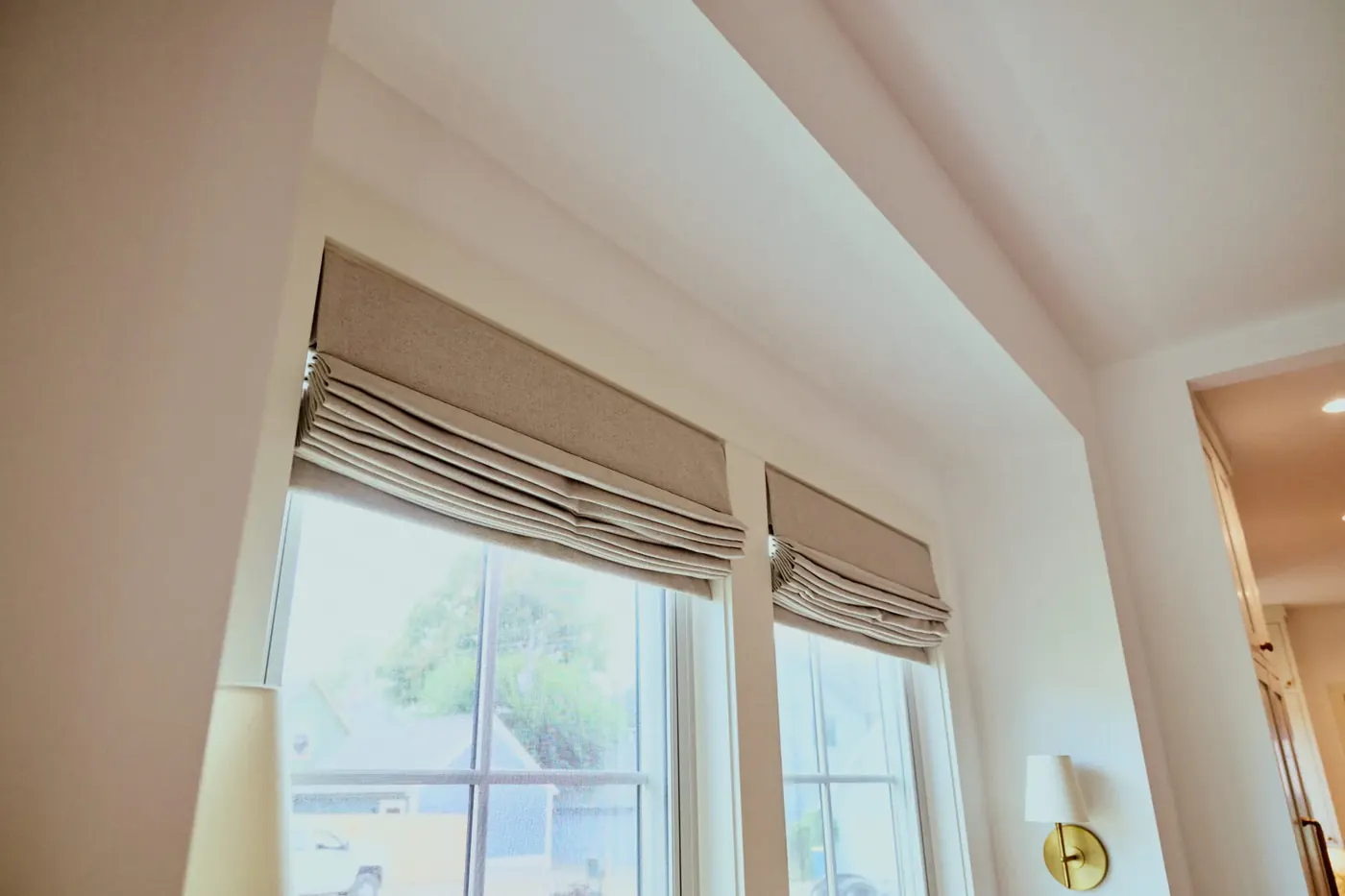
A lined Roman closed over a cold Fortville window in January puts fabric and still air against the glass, which the room reads as warmer even though nothing's been sealed. An interlining adds more. Neither one is insulation in any measured sense.
Learn moreWoven Wood Shades in Fortville
We hang the shade and check that the weave sits square to the sill, and the valance goes on last. A natural product shows a tilt more than a printed one does, so we're leveling to the glass rather than to a settled Fortville header.
Learn moreBlackout Shades in Fortville
Winter is when blackout does the least, because a Fortville evening's dark by six anyway. What a closed blackout shade adds in January is a still layer at the cold glass. Cellular does that better if winter comfort rather than darkness is the real problem.
Learn morePlantation Shutters in Fortville
Paint lots move, and a shutter added to a Fortville room next year will sit beside the originals under the same light every day. White's the worst offender, because the eye reads small shifts in white immediately. Order the room together if the budget allows.
Learn moreCafe Shutters in Fortville
Short panels and real hinges, with a tilt that has to work one-handed while you're standing at a sink. Because the panels are small, the hardware carries proportionally more of the look, and a hidden tilt inside the stile is worth the upgrade on a Fortville bath.
Learn moreMotorized Shades in Fortville
Motors have a sound, and the cheap ones announce themselves. In a Fortville bedroom you'll notice a fast shade with a whine far more than a slower one running quietly, so we'd rather demonstrate speed and noise than describe either on a spec sheet.
Learn moreCustom Drapery in Fortville
Drapery gets cut and sewn by hand in a workroom, so two to five weeks is normal and rushing it shows in the hems. A Fortville order that changes fabric mid-build restarts the cutting, and we'd rather you take an extra week deciding than live with a compromise.
Learn moreValances & Top Treatments in Fortville
Valances, cornices and top treatments for Fortville. Upholstered cornices, box pleats, swags and fabric valances sized to the window and the ceiling height, covering headrails and hardware and giving a bare-looking window a finished top.
Learn moreExterior Solar Shades in Fortville
Cost climbs with width, with the track system and with the motor, and a Fortville quote should separate those so you can see what you're buying. A wide opening on cable guides with a manual crank sits well below the same span on a motorized zip track.
Learn moreRetractable Awnings in Fortville
The lateral arms are spring-loaded and they hold the fabric under tension, which is what keeps a Fortville awning flat instead of flapping. That tension also means the arms are the part to keep clean and unobstructed, since anything binding a joint puts the load somewhere it doesn't belong.
Learn moreCommercial Window Treatments in Fortville
Budget phasing works if it's planned as phasing. Treating a Fortville building floor by floor across several years is normal, and it works when the spec is locked at the start, material is documented, and every phase references the same approved submittal instead of being re-selected by whoever is on staff.
Learn moreSkylight Shades in Fortville
The rooms that need these most are the ones people forget: a stairwell that bakes all afternoon, a loft office with a screen in it, a bath where privacy is fine but glare isn't. Each of those Fortville rooms wants a different fabric even under identical glass.
Learn moreSliding Glass Door Blinds in Fortville
After dark, a solar fabric on a Fortville patio door reverses. With lamps on inside, the yard sees in and you're looking at reflection, so a door that needs evening privacy wants a room darkening layer or a second treatment rather than a screen fabric alone.
Learn morePanel Track Blinds in Fortville
Solar mesh panels on a west Fortville slider cut the July glare while keeping the yard visible, and on an 85.2F afternoon that matters more than the heat number does. Openness factor still runs the decision, and we'll show the fabrics against your own glass.
Learn moreSheer Shades in Fortville
Raised, the vanes and facings compress into a stack at the top that's deeper than a rolled fabric would be. On a short Fortville transom or a window with little header space, that stack takes a visible bite out of the glass, so we measure for it first.
Learn morePleated Shades in Fortville
Pleats soften over years. The fabric holds its folds well but repeated raising compresses them, so a Fortville shade cycled twice daily for a decade won't look as sharp as one in a guest room. That's the product's honest lifespan, not a defect in it.
Learn moreBamboo Shades in Fortville
Light through reed is the reason to buy these. It comes in warm and broken up rather than flat, so a Fortville room takes on a completely different quality in the afternoon than it would under a solid fabric, and that effect doesn't photograph accurately.
Learn moreDual Shades in Fortville
Here's the limitation nobody mentions: even fully offset, the bands don't seal. Light passes through the sheer layer and along the band edges, so a Fortville bedroom that needs to be dark needs blackout banded fabric at minimum, and honestly needs a different product.
Learn moreTop-Down Bottom-Up Shades in Fortville
Cordless top-down bottom-up removes every loop from the window, which is the right specification in a Fortville house with small kids. Inner-cord non-compliance is a substantial product hazard under 16 CFR 1120.3, and this configuration didn't always come cordless.
Learn moreCordless Blinds in Fortville
For a Fortville rental or a house you plan to sell, cordless is the safer specification. There's nothing for a tenant's child to reach, nothing for an inspector to flag as a hazard, and a neutral slat color survives the next owner's taste better than a stained wood ever does.
Learn moreHardwood Shutters in Fortville
Cost tracks louver width, frame style, finish and panel count more than square footage. Nationally, interior shutters run $175 to $800 per window, and hardwood sits toward the upper half of that published range because of the milling and the finishing. A Fortville quote won't average them, it prices each opening separately.
Learn moreComposite Shutters in Fortville
Hardware is what you actually touch. Hinges, magnetic catches and the tilt system take all the wear, and every one of them is replaceable while the panels stay hung. That's why a service call on an older Fortville composite set usually ends with a small parts order rather than a reorder.
Learn moreSmart Home Shade Integration in Fortville
A sun sensor is worth it on one or two exposures, not on all of them. West glass in Fortville takes the afternoon load from May into September, and a sensor that drops those shades before the room heats is doing real work. North-facing openings don't need the hardware.
Learn moreBlind Repair & Restring in Fortville
Vertical blinds fail at the vane, and it isn't the track. Carriers crack, the stems that hold each vane snap, and vanes at the walking end of a Fortville sliding door take the abuse. Individual carriers can be replaced without pulling the whole headrail, which keeps a big opening out of the reorder pile.
Learn moreShutter Repair in Fortville
Bifold and bypass tracks come out of alignment. Panels start dragging, rollers wear, and a wide Fortville opening that used to fold neatly now needs a shove. Track hardware is usually replaceable, and the panels themselves don't have to come down, which keeps a big installation out of the reorder column.
Learn moreMotorization Retrofit in Fortville
Removing the cord is a safety outcome, not a marketing line. Inner-cord non-compliance is a substantial product hazard under 16 CFR 1120.3, and a retrofit that takes the lift cord off a Fortville child's bedroom shade addresses the real thing rather than adding a tie-down nobody uses.
Learn moreOutdoor Patio Shades in Fortville
Lead time runs the same two to five weeks as interior custom work, sometimes longer for wide motorized systems. There's no stock exterior shade that fits a real Fortville porch opening, so this is fabrication either way and the schedule should be planned around the season you want it.
Learn moreOffice Window Treatments in Fortville
Zoning follows the sun, not the floor plan. Shades grouped by exposure act sensibly, so the south glass in a Fortville office drops together in early afternoon while the north bank stays open. Grouping by department produces constant overrides and a system people won't use.
Learn moreHealthcare Window Treatments in Fortville
Patient rooms want daylight and control, and they don't want them at the same hour. A dual system with a light-filtering layer and a darkening layer lets a Fortville room have an outward view during the day and a genuinely dark space at night, without asking staff to compromise on either one.
Learn moreMultifamily Window Treatments in Fortville
Sometimes a basic stock blind per unit is the correct answer, and we'll tell you so. If a Fortville property turns units frequently and residents rarely stay past a lease term, spending on custom treatments behind apartment doors is money that would do more in the common areas.
Learn more
Local Expertise, Real Results
Every inside mount leaves a light gap. Lutron publishes 3/4 inch per side on the Roller 20/64 and a 1/16 inch per side factory deduction, and you'll hear both numbers standing in your own room rather than on install day.
Fortville Window Treatments does custom window coverings in Fortville for people who want the job done once. That means specifying for the room's real conditions rather than for a showroom, disclosing the things that annoy people later, and putting the whole scope in writing before taking a deposit anywhere in Hancock County. It's slower than the alternative and it produces far fewer arguments.
We're a custom window treatment shop covering Hancock County and the Vernon Township corner of it, which means Fortville's 1,876 households plus the plats that carry a 46040 address without sitting inside the town limits. We're insured and insured. Indiana issues no state license for this trade, so anybody telling you they hold one for window coverings is describing a thing that doesn't exist. What does exist is the Indiana Home Improvement Contract Act, IC 24-5-11, which requires a written contract with a real scope, dates and a total price on any residential job over $150. You'll have that before anything goes to the factory, with the finished width and finished height of every opening written on it.
Fortville rewards a slow measure more than any other town in the county. With a median build year of 1982 and 175 years of continuous building on the 1849 plat, one block near Memorial Park can hold an 1880s frame house, a 1950s minimal traditional and a 2015 infill build, and none of the three share an opening size. A three point measure is the default here, not a precaution, and reusing a measure between two openings in the same older house is how a shade ends up an inch narrow. In the new work at Beyers Estates and Mt. Vernon North the openings genuinely are square, so the conversation moves to the drywall return corner and how tight an inside mount can sit against it.
Our Promise
We'll take width at head, center and sill and height at left, center and right on every Fortville opening, record the smallest number of each, and write down the mounting depth we actually found. If an opening on Staat Street won't take the product you picked, you'll hear it while we're both standing in the room.
Choosing a Window Treatment Company in Fortville
Serving Fortville and Hancock County with quality materials, thorough inspections, and transparent pricing.
Half this town predates 1980
48.4 percent of Fortville's 1,935 housing units went up before 1980 and 288 of them before 1940. That means real wood jambs with applied casing, plaster returns in the oldest houses on Merrill and Pearl, and storm window build ups that can take an inch and a half of mounting depth without showing it from inside the room. We measure the depth we actually find at the stop, then say what will physically fit before you choose a fabric. That single step is the difference between an inside mount and a call back.
The Geist side is a different job
The Fortville share of the Geist shoreline is reported at an average value of $636,000 against a town median home value of $254,900, and the houses on Lighthouse Drive and Beacon Point Lane were built to look west across open water. That's direct afternoon sun with reflection off the surface on top of it, arriving in the hours the room is actually used. Openness factor matters more on that edge than anywhere else in the 46040, so we'll hold 1, 3, 5 and 10 percent against your real view before you commit to anything.
Five builders in one small town
D.R. Horton, Lennar, Joyner Homes, Arbor Homes and TK Constructors are all selling in a town of 1,935 housing units, and another 138 acres were annexed in January 2026. New Fortville measures square with bare drywall returns. Mt. Vernon North alone spans 1,601 to 3,062 square feet across eight plans, so a 1,601 square foot Aria II at roughly 13 to 18 openings and a 3,062 square foot plan at 22 to 30 sit in the same community off Denney Street. The quote follows the plan, never the subdivision name.
What goes wrong, said first
Motorized shades run on batteries and Hunter Douglas states PowerView life is about one year. Hardwood blinds move in a Fortville bathroom through the muggy season that runs May 25 to September 22. Dye lots shift, so four openings ordered now and three next spring can leave you looking at two different whites across a doorway. Custom fabrication runs 2 to 5 weeks and there is no overnight version of it. All of it gets said at the measure and written on the quote, because finding out later is the expensive version.
Real Jobs. Real Results.
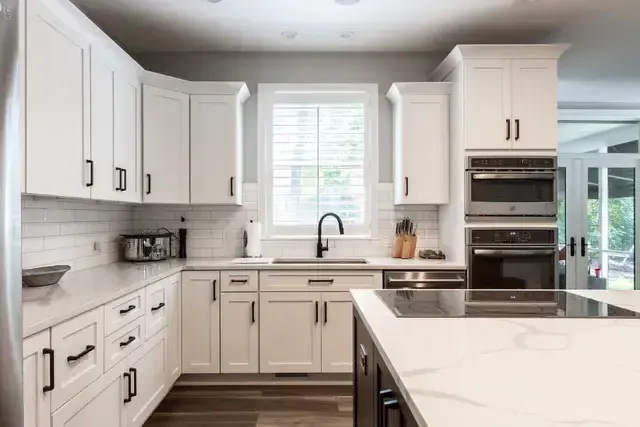
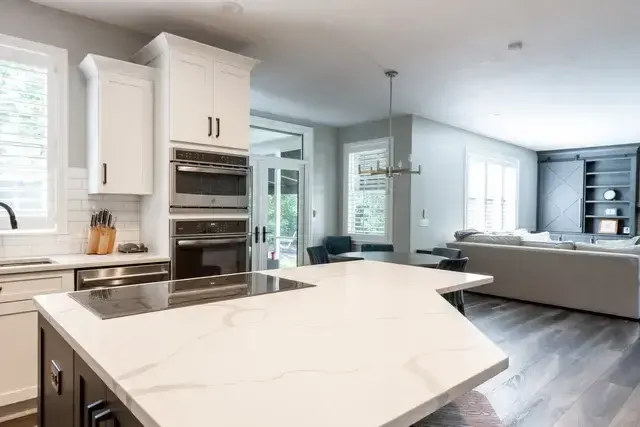
Photos from recent window treatment projects completed by the crew that measured them across Fortville and Hancock County. Every project is documented with photos and a written closeout package.
A Fortville Project in Plain Order
Four steps, in this order, and none of it is fast. Measures usually book within the week. Custom fabrication runs 2 to 5 weeks after you approve the order. Sitting between those two is the written contract IC 24-5-11 requires on any Indiana residential job over $150, carrying the scope, the dates and the total price. If somebody offers you a finished Fortville install this week, what they're selling you is stock sizes off a shelf, and that's a different product at a different price.
Measure and square check
Width at head, center and sill. Height at left, center and right. We take the smallest of each and run a square check on every opening, which in a town holding 288 pre-1940 houses isn't optional. Mounting depth gets measured at the actual stop, past storm window build ups, and recorded opening by opening. Inside the 1849 plat we assume nothing repeats between rooms, because it usually doesn't.
Mount and product decision
With real depths in hand we tell you what fits. A shallow jamb on a 1950s house on Kentucky Street may not take a 2-inch headrail inside the opening at all, which makes it an outside mount on an L-frame or a Z-frame. In Mt. Vernon North the depth is there but the drywall return corner is soft, so the clean reveal is what we're protecting. Light gaps get quoted at this step.
Written order, then lead time
Finished width and finished height go to the factory with the 1/16 inch per side factory deduction applied, along with roll direction, openness factor and the dye lot if you're matching an earlier order. Your contract lists every line of it. Fabrication is 2 to 5 weeks. If you're doing a 14 to 22 opening historic core house in stages, we log the dye lot now so the spring order still matches.
Install and set limits
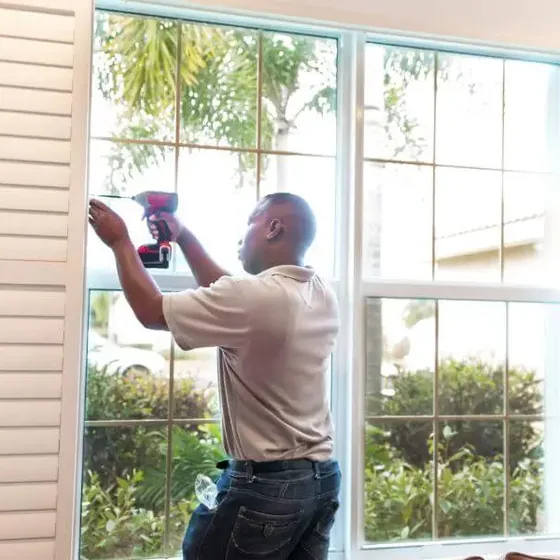
We hang it, level the headrails, add center support brackets where a wide unit needs one, and set travel limits and pairing on anything motorized. Ladder strings, cord locks and chain tensioners get adjusted with you in the room. Then we walk every opening and show you the light gap we described at the measure, so nothing gets discovered after we've driven back down Fortville Pike.
What we see most often on Fortville window treatments
Fortville homeowners typically call us about these scenarios.
Cords A Grandparent Cannot Manage
Arthritic hands and a continuous loop don't get along, and a shade that's difficult to operate simply stops being operated. A wand tilt, a cordless lift or a motor changes that. It's one of the strongest and least discussed arguments for motorization in a Fortville home. Accessibility is a better argument for motorization than any of the usual ones.
A Company That Stopped Answering
Shades were installed by somebody who has since moved on, a motor has failed and there's no record of what was bought. We can often identify a line from the headrail stamp and source parts. Sometimes we cannot, and that's a real cost of buying from a company that won't be around.
A Sunroom That Is Unusable In July
Glass on three sides and a July average high near 85.2F means the room hits an unpleasant temperature by early afternoon and stays there. Interior shades help. The bigger change is stopping the sun outside on the worst elevation, and that's a conversation most people have never had. Treating the interior alone in that room often disappoints people who spent real money.
Shutters Whose Louvers Will Not Stay Put
They drift open under their own weight because the tension has relaxed after a few seasons of Indiana humidity swings. There's a tension adjustment designed for exactly this. It's a twenty minute visit and most owners assume their shutters are simply wearing out. Anybody who has lived with shutters for a few years should know the adjustment exists.
A Cordless Shade That Creeps Down
You set it where you want it and an hour later it has drifted four inches. That's the spring in the cordless lift losing calibration, and it happens gradually over years of use. It's an adjustment or a spring cartridge rather than a new shade, and plenty of Fortville homeowners live with it for a year assuming the shade is finished.
A Rental Turnover On A Deadline
Tenants moved out and three blinds are damaged with new people arriving next week. What a landlord needs is durable product, a consistent color across units and a record of what went where. That way one broken blind is a swap from stock rather than a measure and a five week wait.
Five Stages, In This Order
Custom window treatments are made to your openings, so the order matters more than it does in most trades. This is how every Fortville job runs.
Free In-Home Measure
Every opening gets three widths, three heights and a diagonal square check, because houses settle and an opening that is out of square is the difference between a shade that runs true and one that binds. Mounting depth gets read at the jamb. It all goes on paper before any product conversation starts.
Product and Fabric, In Your Own Light
Samples get looked at in the room they are going in, not under showroom lighting. This is where openness factor, inside versus outside mount, roll direction and material get decided, and where we tell you the light gap you are going to live with.
Written Scope and Contract
Opening by opening, with the mount type, the light gap, the operation and the total price in writing. Indiana requires a written contract on residential work over $150 under IC 24-5-11, and we would write one anyway.
Custom Fabrication
Your sizes go to the workroom. Two to five weeks is typical depending on product and finish, longer on specialty shapes and motorized configurations. You get the real date at the measure rather than a range.
Install and Walkthrough
Brackets anchored for the substrate they are going into, everything checked level and square, motor travel limits set and scenes built with you standing there. Then we show you how it all works and take the packaging with us.
Reviews From Fortville Homes We Fixed
4.8 stars across 497+ Google reviews for The Window Valet, who runs this service.
"Excellent customer service! A friendly and responsive small business. I had both light-filtering and blackout zebra shades installed. I am very pleased with the overall service from sales rep, quality of the material, installation, communication and call-back from the office!"
"Handy just installed my zebra blinds. They are so sharp. He was quick with the install and showed me how to properly use them. Thank you."
"We are so glad to get these beautiful window shades! Justin showed us the fabrics and encouraged us to make selections that we would love. I really like that the shades are US-made. I like most that Justin treated us as friends, not just customers."
Every Question We Get in Fortville
Straight answers to the questions Fortville homeowners ask most.
Indiana Weather Affects Window Treatments Year Round
Indiana sees some of the most varied weather in the country. Fortville homeowners live in IECC climate zone 5A, which carries a real cooling load in summer and a real heating load in winter. July averages a high near 85F, January averages a high near 36F with lows near 21F, and the muggy season runs from late May into late September. That is why the same window can be the hottest room in the house in July and the coldest in January.
Cellular shades earn both seasons
DOE and Oak Ridge National Laboratory testing found cellular shades saved up to 20 percent of heating energy and up to 15 percent of total heating and cooling energy against a bare window. In a town whose median house was built in 1982, with 649 units dating from 1940 to 1979, that shows up at a January average low of 20.9F and again through the muggy season. We won't convert it into a dollar figure for your house, because the testing never produced one.
West across open water
Rear elevations on Lighthouse Drive, Breakers Lane and Cove Point were built facing west and north west across Geist. That's low late sun plus reflection off the surface, doubled and arriving at dinner time. Solar shades at 3 or 5 percent openness cut the glare while keeping the water visible. One percent goes darker than most people on that shoreline actually want. NFRC attributes 40 to 60 percent of fading damage to ultraviolet, so what you buy is slowed fading on floors and fabric, never stopped fading.
Cleared farm ground, no canopy
Shull Farm Drive and Wilsons Farm Drive back onto open agricultural ground, and Calumet Farms on Stableview and Saddle Horse Lane sits out on the rural north edge of town. Beyers Estates puts a two acre central park and ten plus acres of common space behind a real share of its lots. Those rear elevations take a long unshaded low angle exposure with nothing next door to break it up. It's the opposite of the tree lined Merrill Street blocks, and it changes which product earns its price on the back of the house.
Humidity and hardwood disagree
The muggy season runs May 25 to September 22 every year, and Fortville's 1940s and 1950s houses put small openings directly over kitchen sinks constantly. Hardwood slats cup there, the ladder strings go uneven and the tilt stops sitting flat. Faux wood handles the same room and costs less. Composite shutters handle it too and hold a crisp louver line. Keep the hardwood for a dry front room where the trim is already wood, and it'll give you 15 to 20 years.
Choosing the Right Treatment for Fortville Rooms
An honest breakdown of the three we specify most often, and when each one is the right answer.
The one product in this trade with measured energy numbers behind it. Trapped air in the cells does the work, and DOE and ORNL testing found cellular shades saved up to 20 percent on heating energy and up to 15 percent on total heating and cooling against a bare window. In a Fortville house that matters in January and again in July, which is unusual for one product. Single cell suits most rooms, double cell where the glass is large or the room runs cold. Top-down bottom-up gets you daylight and privacy at the same time.
What you reach for when the complaint is afternoon sun. Solar fabrics come in stated openness factors, and that number is the whole decision: a lower openness cuts more glare and more of the view, a higher one keeps the view and cuts less. On a west or south Fortville window this is usually the honest answer rather than blackout, because blackout kills the room. Cassette or fascia hides the roll, and roll direction gets decided at the measure so the fabric does not foul a crank or a lock.
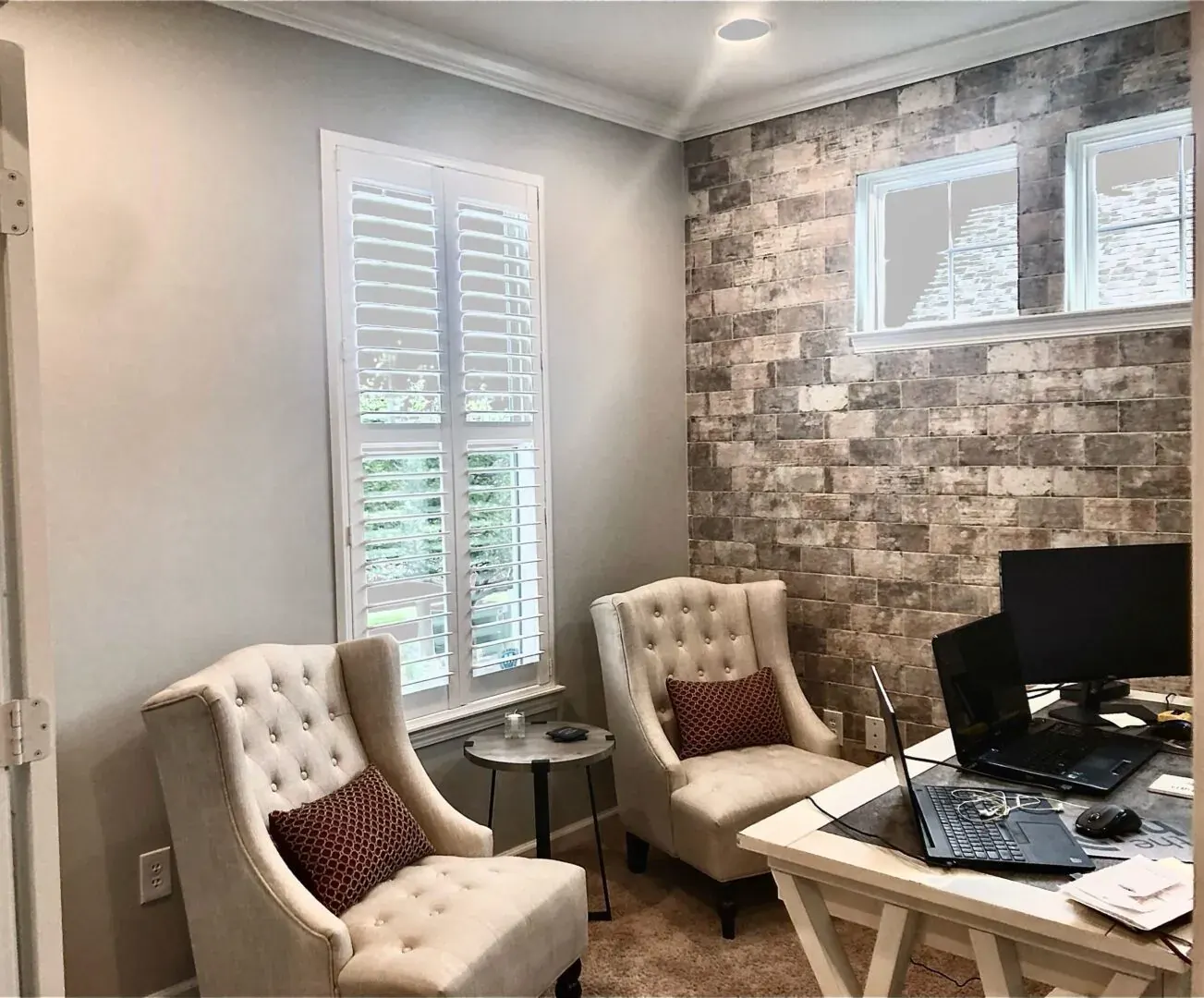
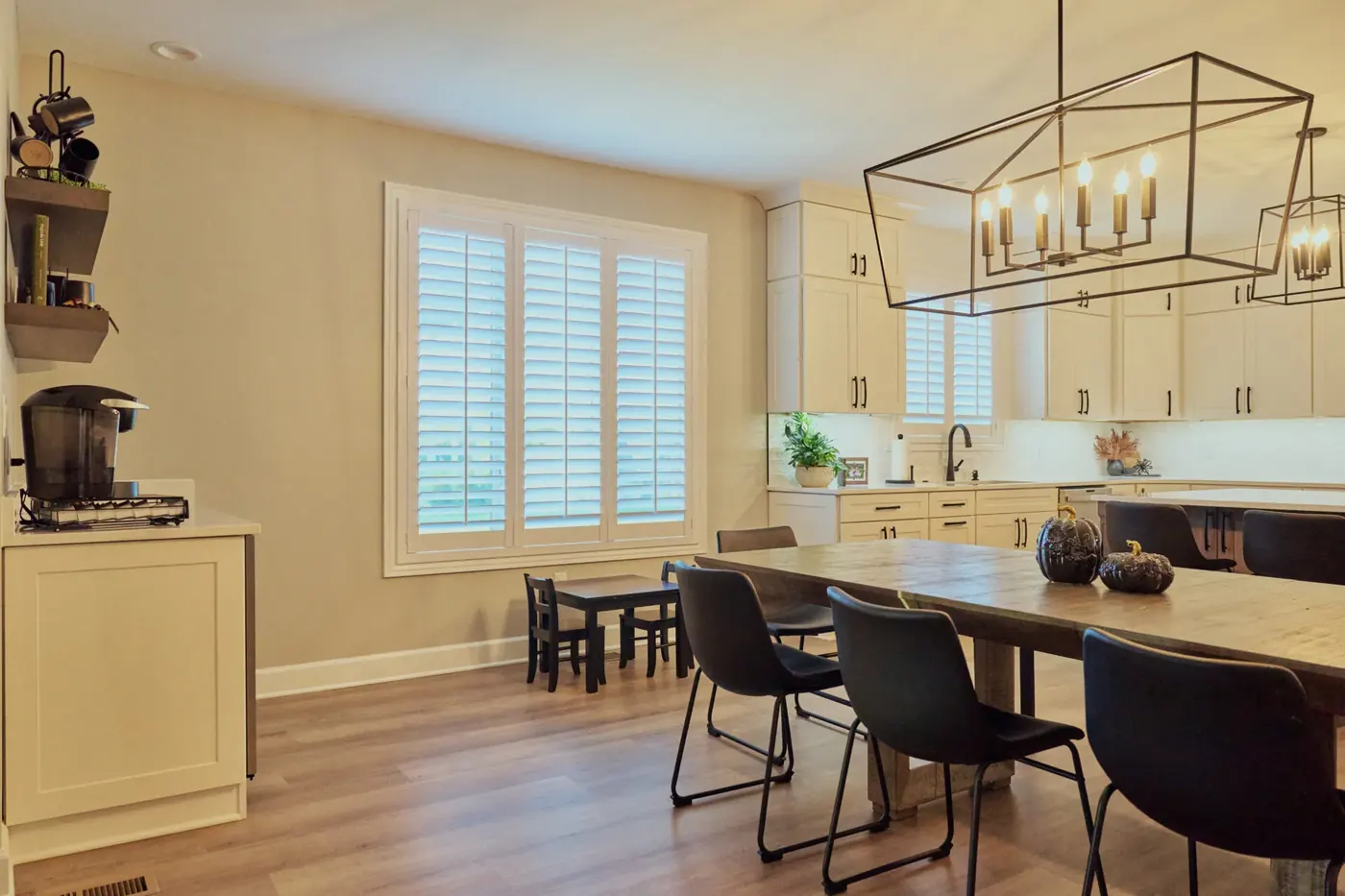
The one that stays with the house. Shutters are a finish rather than a covering, and they do not get replaced every few years. In Fortville the material choice is technical rather than a matter of taste: composite and poly in bathrooms, kitchens, laundry rooms and sunrooms, because a four month humid season followed by a dry heated winter will move real hardwood, and hardwood only where the room stays conditioned. Louver size, frame style and divider rail get decided standing at your window.
See What Each Fabric Does To The Light
Pick a fabric below and the window updates. It's a drawing rather than a photograph, so read it as a rough guide to what each family does in a Fortville room, and to what it doesn't do.
Openness factor is a measured fabric spec, so you can compare it line to line. The category names are not measured. One maker's room darkening can behave like another maker's light filtering, which is why the sample books come to the measure and get opened in the room they're going in, at the hour that room has the problem.
Experienced Window Treatment Installers Wanted
Ready to advance your window treatment career? Join Fortville's trusted window treatment team. Competitive pay, ongoing training, and a team that takes its documentation and standards seriously.
Call to ApplyLocal Streets Around Fortville
Window Treatment projects completed across Fortville's neighborhoods and surrounding areas. Click any neighborhood for the specifics we have learned working there.
Where we respond near Fortville
Our crews measure and install across Fortville and the closest surrounding communities.
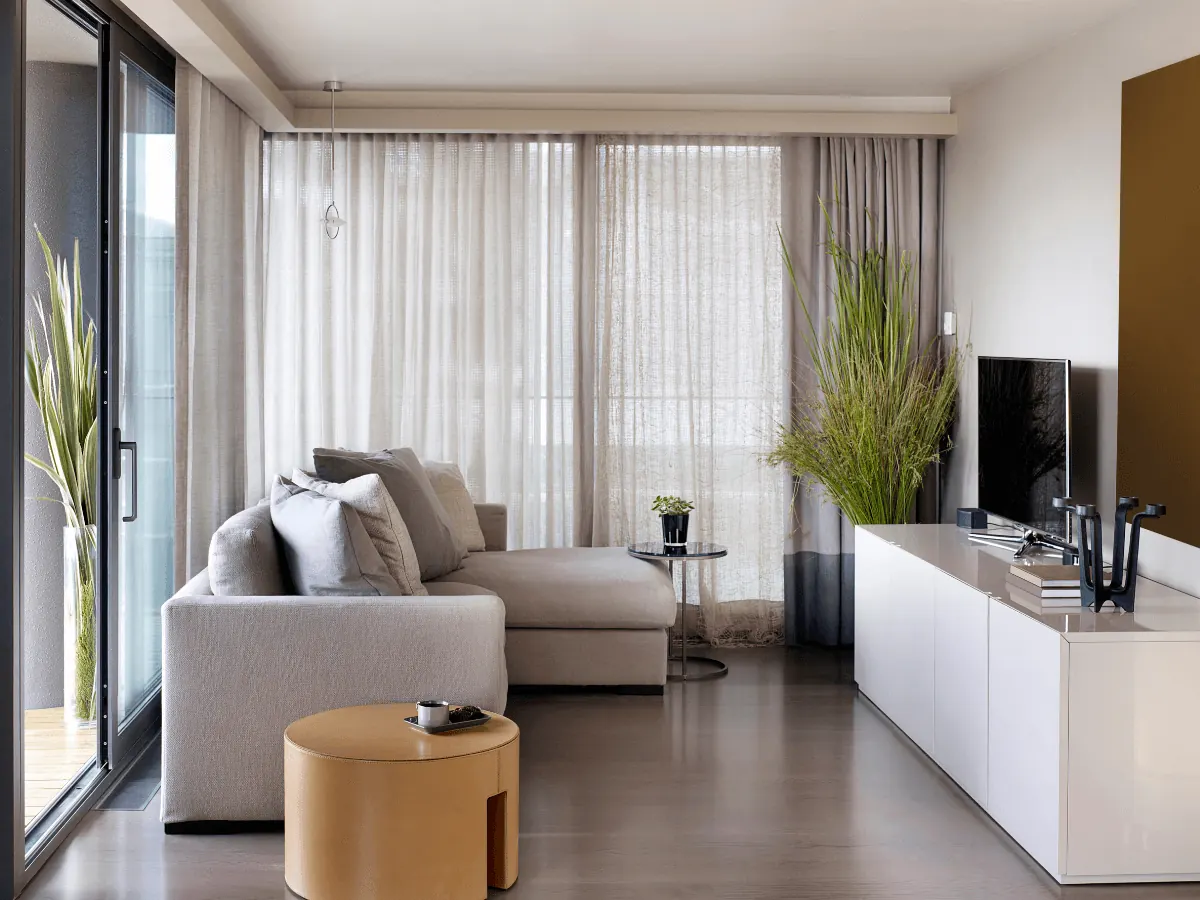
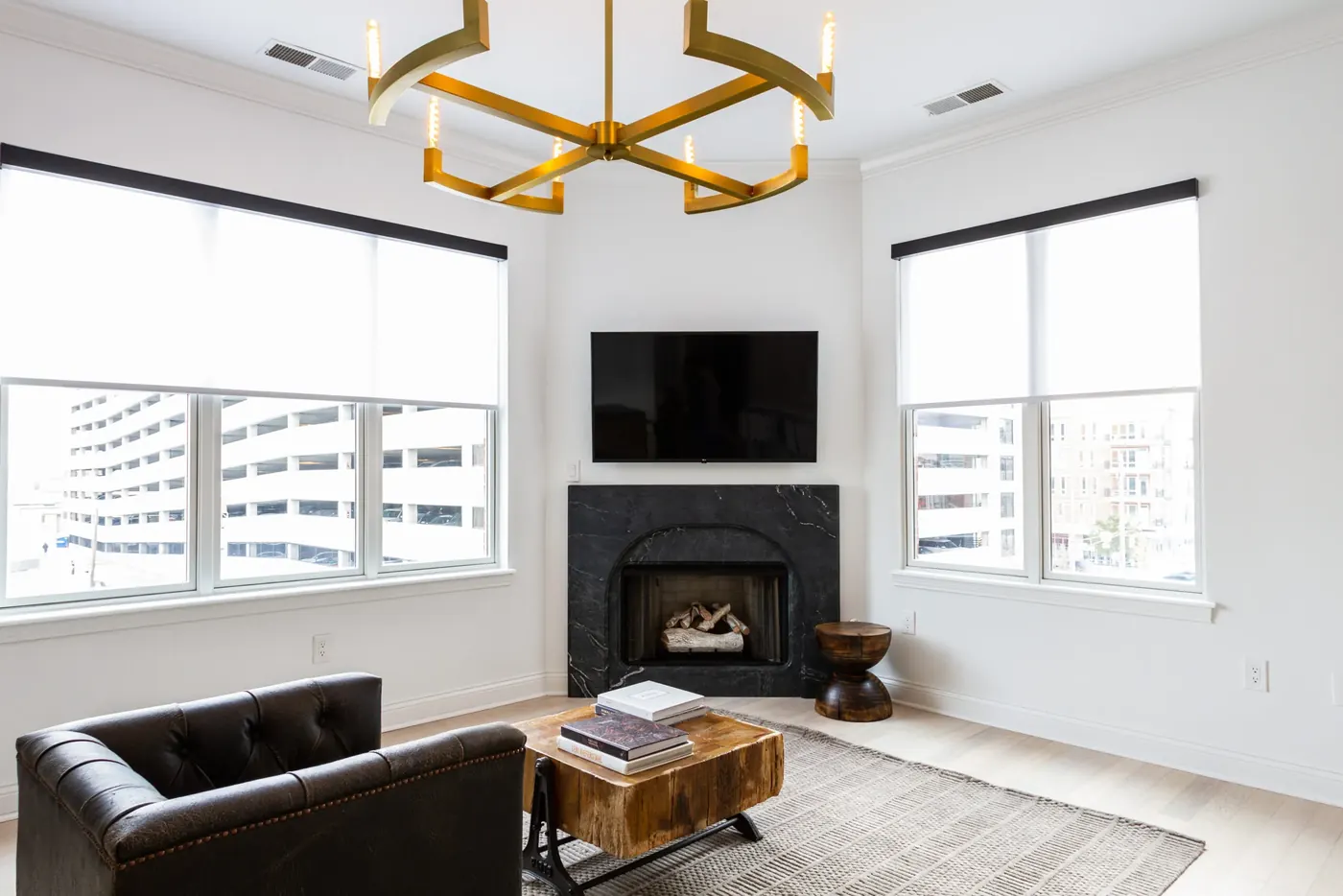
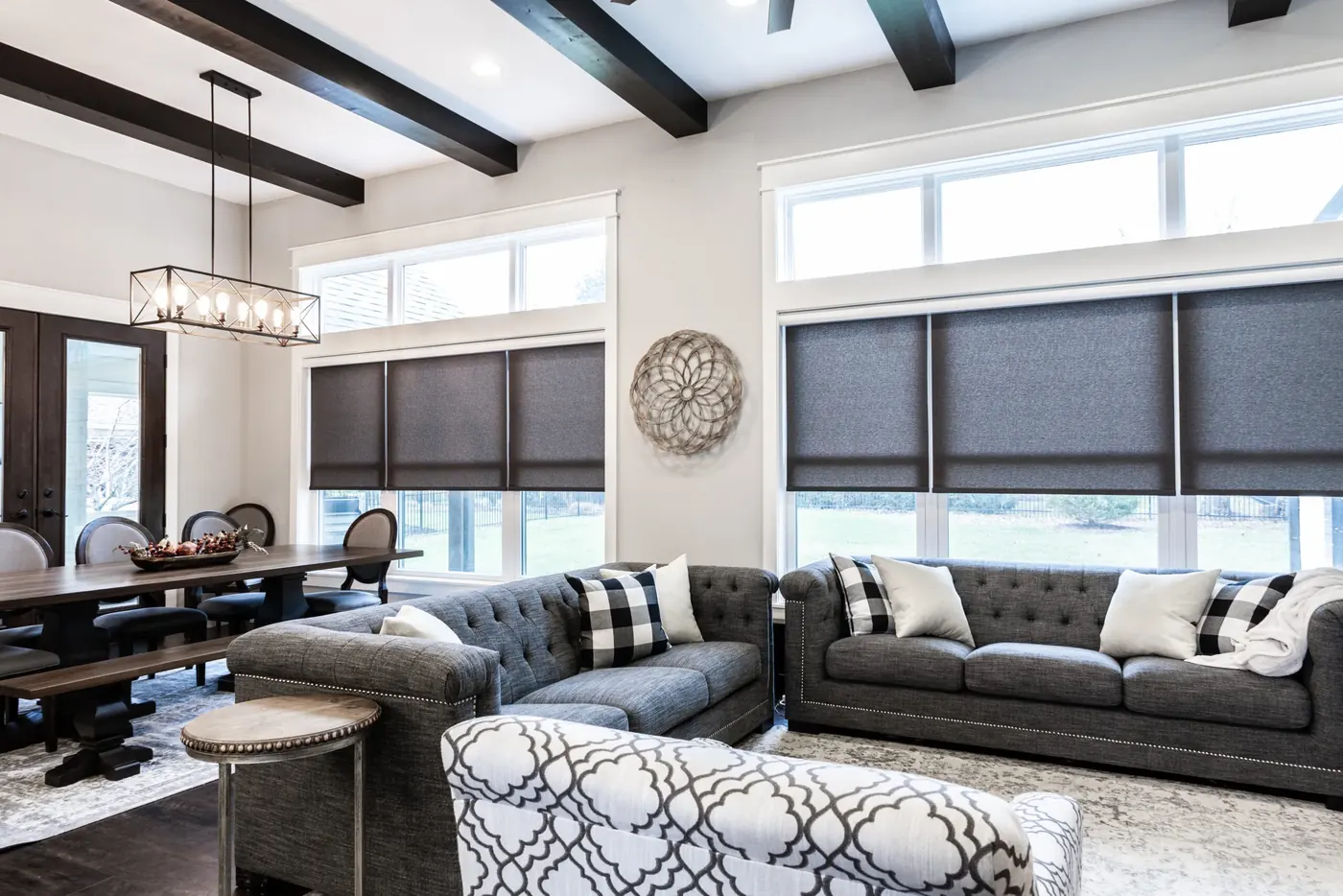
Window Treatment Systems Compared in Fortville
Quick reference for the products we specify most often in these homes. Pricing reflects typical Fortville installations.
Typical Fortville market ranges as of 2026. The plus sign on upper numbers means your project may exceed the listed maximum based on inspection findings. Get a written scope and quote at no cost.
Expert Fortville Window Treatment Crews Available Now
Free in home measure anywhere in the 46040, from the 1849 plat out to the Geist facing streets. You'll leave with finished sizes, real mounting depths and the light gaps in writing, whether or not you order a thing.