Shutters for Arch Top Windows: A Practical Guide
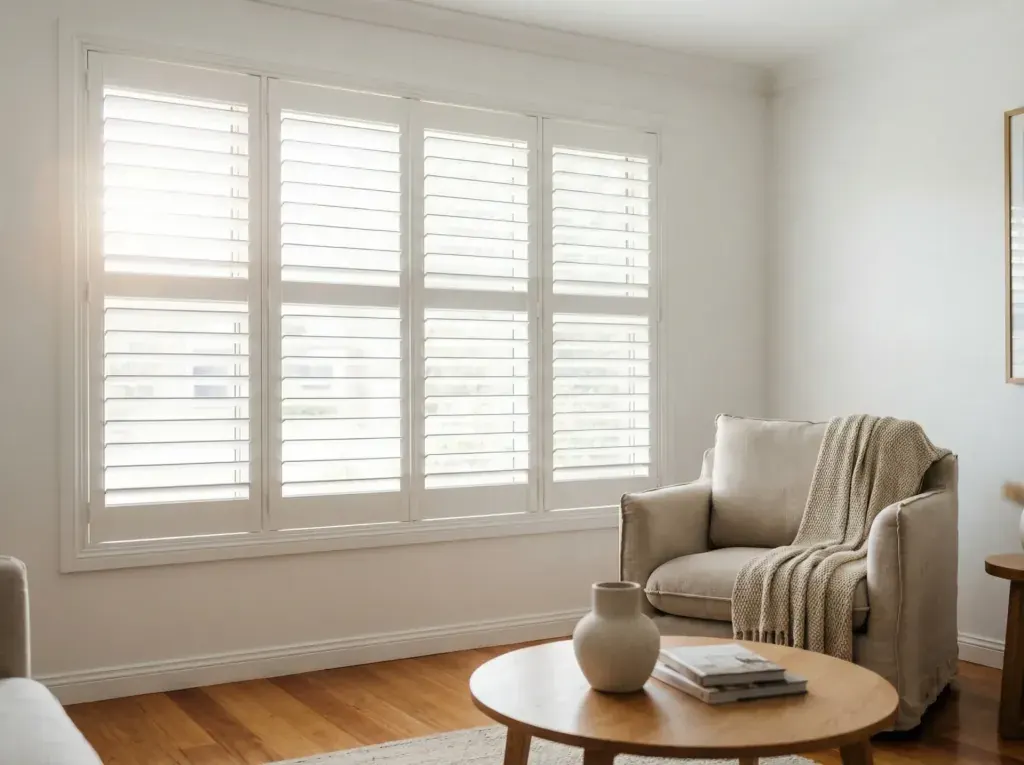
Round tops, angled tops, full circles, trapezoids. Every one of these shows up regularly in Fortville homes, usually on a front elevation where the builder wanted some visual interest, and every one of them needs a different answer than the rectangular window next to it.
The Specialty Shapes We're Talking About
Before getting into whether a specialty shape is worth the money, it helps to know what actually counts as one. Arch tops, the curved section built above a rectangular window, are the most common. True half-rounds are a full semicircle with no straight sides at all. Eyebrow windows are a shallower, flatter curve, usually decorative rather than functional. Trapezoids and octagons round out the list, showing up most often on Fortville gable ends or as accent windows.
Every one of these sits outside what a standard shutter or blind size chart covers, which is the entire reason the cost question comes up in the first place. There's no stock version of any of these shapes waiting on a shelf somewhere at a lower price. The custom work is the only work available.
Knowing that up front changes the question from why does this cost more to what am I actually paying for, which is a more useful way to think about it before a quote shows up in Fortville.
Why Shutters Handle These Shapes Better Than Soft Treatments
Fabric and slat treatments both depend on a straight headrail or a rod to hang from, and a curved or angled opening doesn't give them one. That's the practical reason shutters dominate this category. A shutter is a rigid frame first, and the frame can be built to trace any shape the window actually is.
There are soft treatment workarounds for some shapes, mostly stationary fabric panels shirred onto a curved rod or mounted flat against the wall above the window, though they don't open or close. If the goal is actually controlling light through that section of glass, a shutter with a frame cut to the exact curve is usually the only option that does the job.
It also holds up better over time. A shaped fabric panel loses its form eventually, especially with humidity or direct sun on it, while a composite or wood shutter frame keeps its shape because it was built rigid from the start. That durability difference matters most on a window that sits in full sun most of the day.
Fixed Panels vs Operable Louvers on the Shaped Section
For a gable window specifically, this decision usually resolves itself fast once people see the height involved. These windows are often 15 to 20 feet up, sometimes higher, and an operable panel up there needs to be paired with a pole or motorized control just to be usable, which adds real cost on top of the already higher price for a working shaped mechanism.
A fixed panel skips that problem entirely. It gets built and set to whatever light and privacy level makes sense, generally a partial or a full block depending on how much afternoon sun that gable catches, and it stays that way without anyone needing to reach it.
For a lower half-round transom over a front door, closer to eye level and easier to reach, operable starts to make more sense, since someone might actually want to adjust it occasionally. Height and reach end up driving this decision as much as budget does, which is worth thinking through before assuming one option is automatically right.
Why a Tape Measure Isn't Enough for a Curve
Getting the design match right depends on getting the shape right first, and that's not something a tape measure alone can deliver on a curve or an angle. A template, an actual tracing of the opening's real shape, is what lets the frame get built to match the window precisely rather than approximately.
This matters even more when the goal is visual cohesion with the rest of the house. A shaped panel that's even slightly off from the true curve won't sit flush against the frame, and a gap or a misalignment on the most visible window on the house undercuts the whole design goal that started the project.
Templating in person is also when frame style, louver size, and finish get confirmed against the existing shutters elsewhere on the house, so the design match gets locked in at the same time as the physical fit rather than as an afterthought.
Cost, Lead Time, and What to Expect With a Specialty Order
Specialty shapes run above standard shutter pricing, and it's worth understanding why rather than being caught off guard by a number. National pricing on standard shutters generally falls somewhere in the 175 to 800 dollar range per window, and a specialty shape typically lands above that range because of the template time and the custom frame work involved, with the final number depending heavily on the size and complexity of that particular shape.
Lead time stretches out too. A standard shutter order might run a few weeks start to finish. A specialty shape adds time for the template to get reviewed and built by a shop set up to handle curved or angled frames, so it's smart to build in extra time if there's a target date, like getting a room finished before guests arrive.
The payoff is permanence. Once that arch or gable window finally gets its shutter, it's done. For a Fortville home where that one window has been the unfinished piece of an otherwise complete room for years, closing that gap tends to be worth the extra planning.
Odd-shaped windows reward patience more than speed. Get a free in-home measure scheduled, let the actual curve get templated, and you'll have a firm answer on cost and options instead of a rough guess based on a photo.
Frequently Asked Questions
Can you put blinds or shades on an arched window?
Not in the usual sense. Fabric and slat treatments need a straight headrail to hang from, and a curve doesn't give them one. Most arch tops get either a fixed shaped shutter panel or get left bare while the rectangle underneath, if there is one, gets a normal shade.
Do specialty shape shutters open and close like normal ones?
Some do. A true half circle can be built with operable louvers on a curved track, though it costs more and takes longer. Plenty of homeowners choose a fixed panel instead, since the shaped section is usually more about light and privacy than needing to adjust it daily.
How long does a specialty shape order take?
Longer than a standard rectangular shutter, since the shape has to be templated and reviewed before it's built to that exact curve rather than pulled from stock sizes. Expect it to run past the timeline of a standard order.
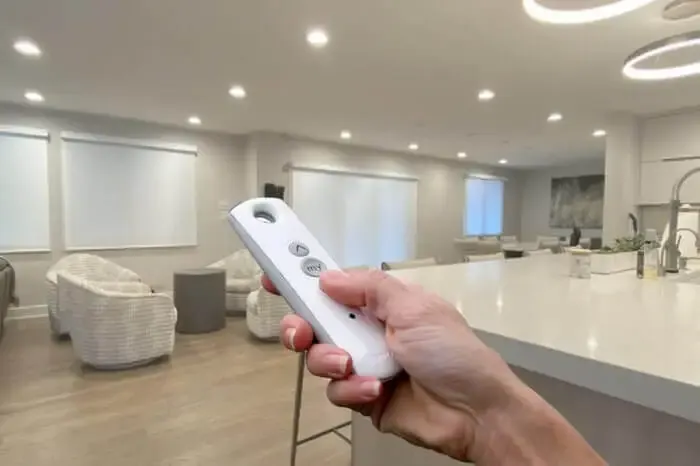 Battery or Hardwired: Powering Smart Shades in Fortville
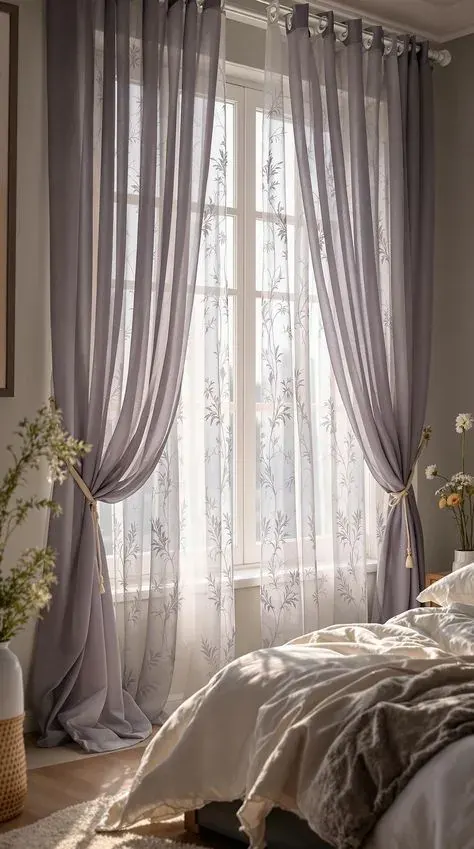 How Custom Drapery Gets Measured and Made Right in Fortville
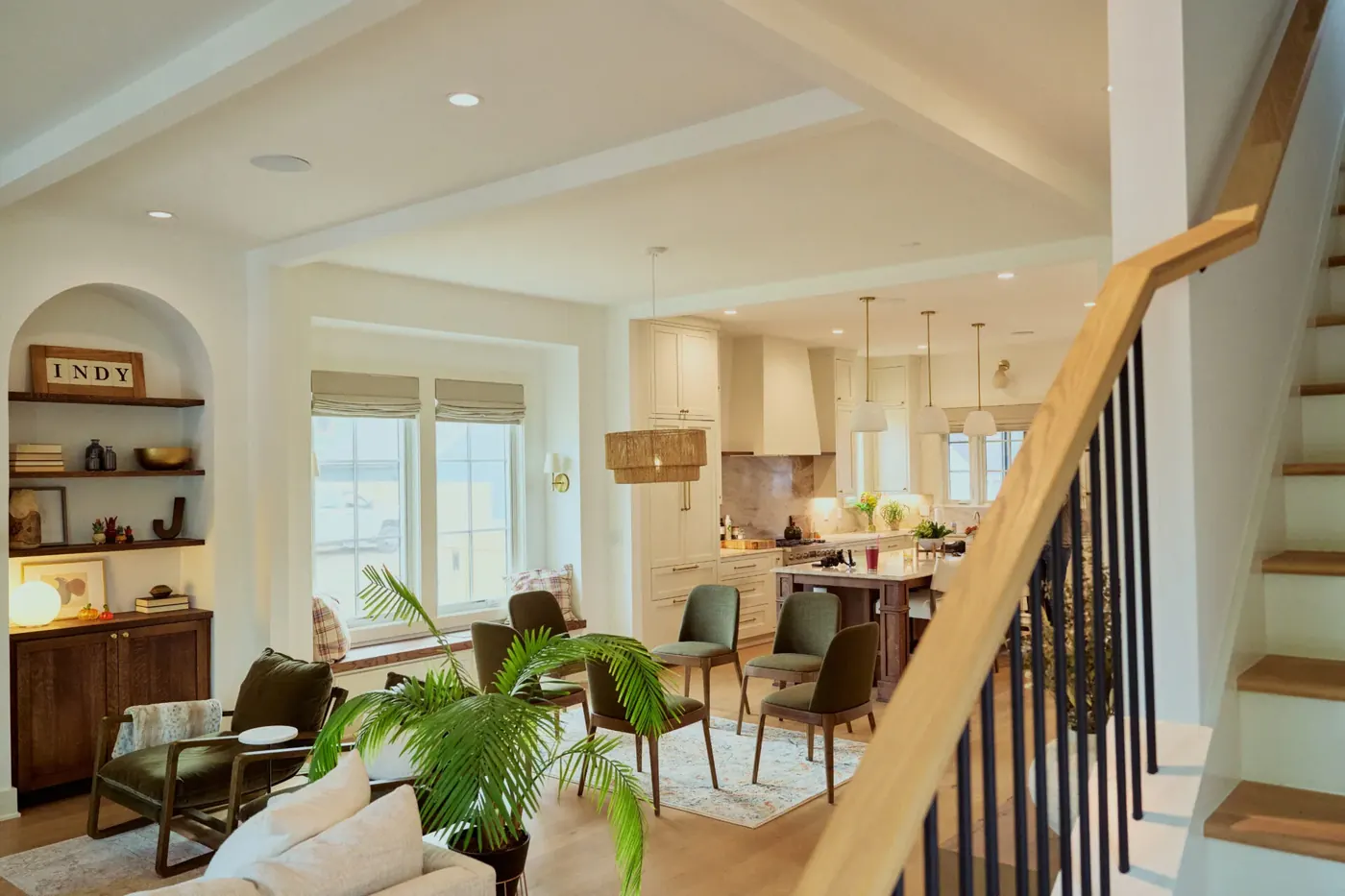 What a Proper Measure Catches Before You Buy in Fortville